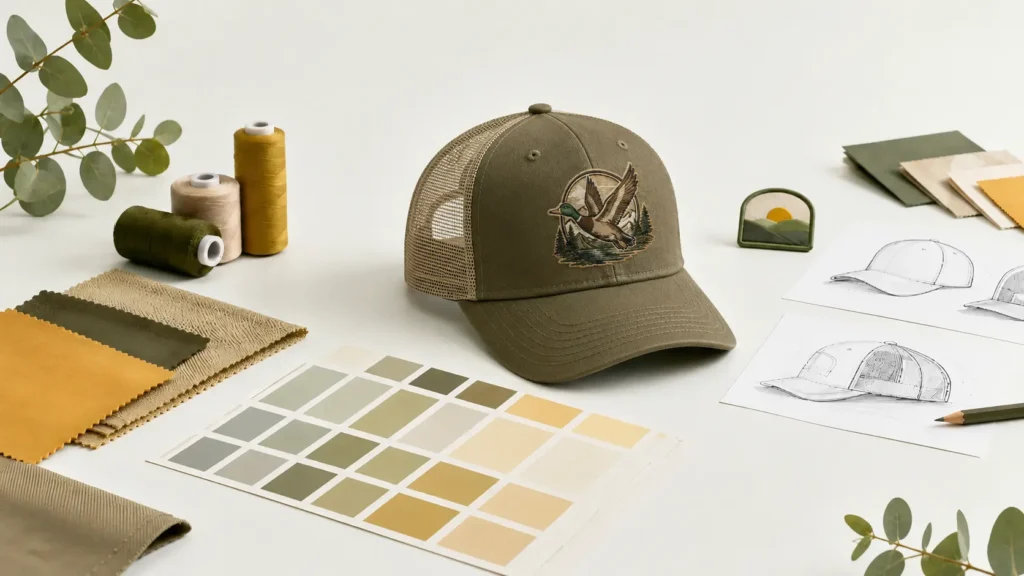
Buying custom headwear for a brand is more than choosing a cap and adding a logo. Fabric, construction, decoration technique, sampling, packaging, and delivery requirements all affect the finished product. A well-prepared request for quotation (RFQ) helps a manufacturer recommend suitable options and helps buyers compare proposals on a like-for-like basis.
This guide is for brand owners, wholesale buyers, distributors, and promotional-products teams preparing a custom hat order.
Quick answer: To order custom hats in bulk, define the hat style and intended use, provide logo artwork and color references, clarify the minimum order quantity by variant, approve a physical sample when needed, then confirm the written production and shipping terms before bulk manufacturing.
| Buying stage | What the buyer should confirm |
|---|---|
| Style & market | Hat silhouette, wearer, end use, target price band |
| Artwork & materials | Logo file, decoration technique, color references, fabric |
| MOQ & sampling | Quantity per design/color, sample cost and approval |
| Production & quality | Approved specifications, inspection standards, milestones |
| Shipping & payment | Trade terms, packing, destination, timeline |
1. Start with the intended use
Define who will wear the hats and where they will be sold or used. A retail streetwear collection may call for a different crown profile and decoration style than a sports event, hospitality promotion, or outdoor merchandise program. Choose the broad style first:
- Baseball caps: adaptable everyday headwear with a range of panels, profiles, and closures.
- Trucker hats: often selected for a structured front and breathable mesh back.
- Dad hats: typically associated with a relaxed look and curved visor.
- Snapback hats: a familiar choice for brands seeking an adjustable snap closure.
- Bucket hats: a different silhouette for fashion, travel, and events.
- Beanies: useful for colder seasons, with yarn and knit construction affecting fit and finish.
- Straw hats and visors: options for summer, resort, outdoor, and sports-related collections.
If you are still deciding, compare two or three styles against the same buyer brief before discussing the final price. Explore custom baseball caps, custom trucker hats, and custom bucket hats to compare available styles.
| Hat style | Typical consideration | Product guide |
|---|---|---|
| Baseball cap | Profile, panels, visor, closure | Explore baseball caps |
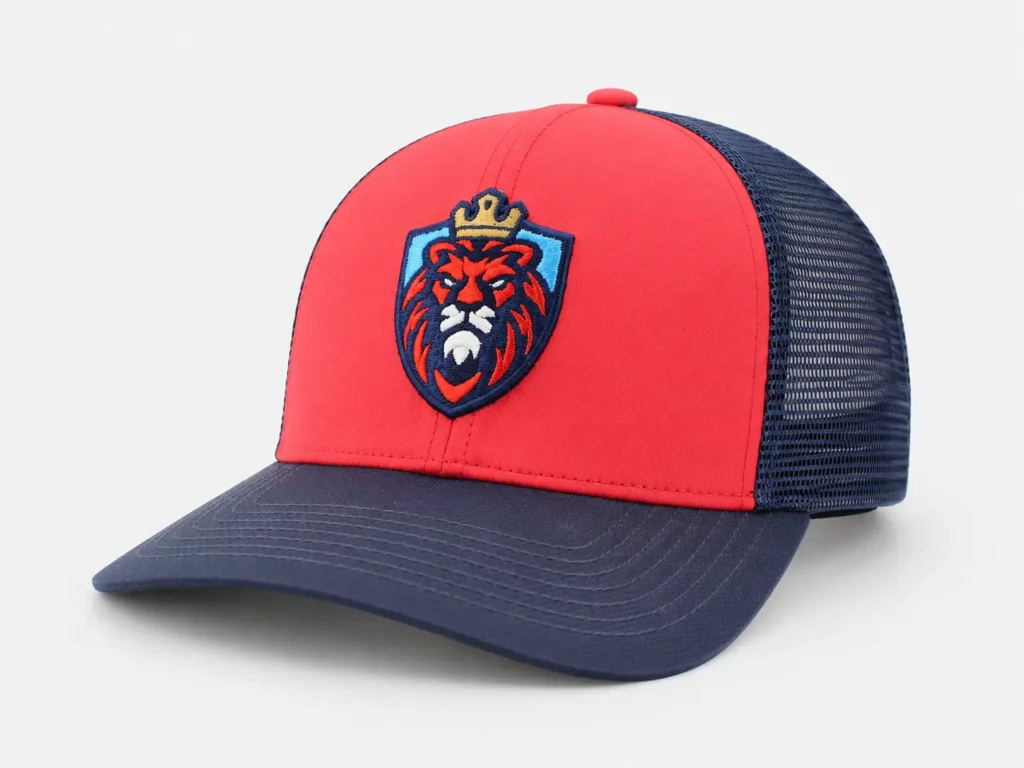
| Trucker hat | Front structure, mesh back, closure | Explore trucker hats |
| Bucket hat | Fabric, brim width, sizing | Explore bucket hats |
| Beanie | Yarn, knit gauge, stretch | Explore custom beanies |
2. Prepare a short technical brief
A manufacturer can quote more accurately when the requirements are specific. Include:
- Hat style and fit: preferred profile, panel count where relevant, size range, and closure type.
- Material: cotton twill, polyester, mesh, knit yarn, straw-style materials, or a reference sample.
- Colors: references or brand color specifications; ask how colors will be matched.
- Logo: embroidery, woven patch, printed design, rubber patch, or another process suitable for the chosen material.
- Placement and dimensions: front, side, back, visor, or internal labels; include approximate artwork size.
- Quantity: units per design and per colorway, plus any forecast for repeat orders.
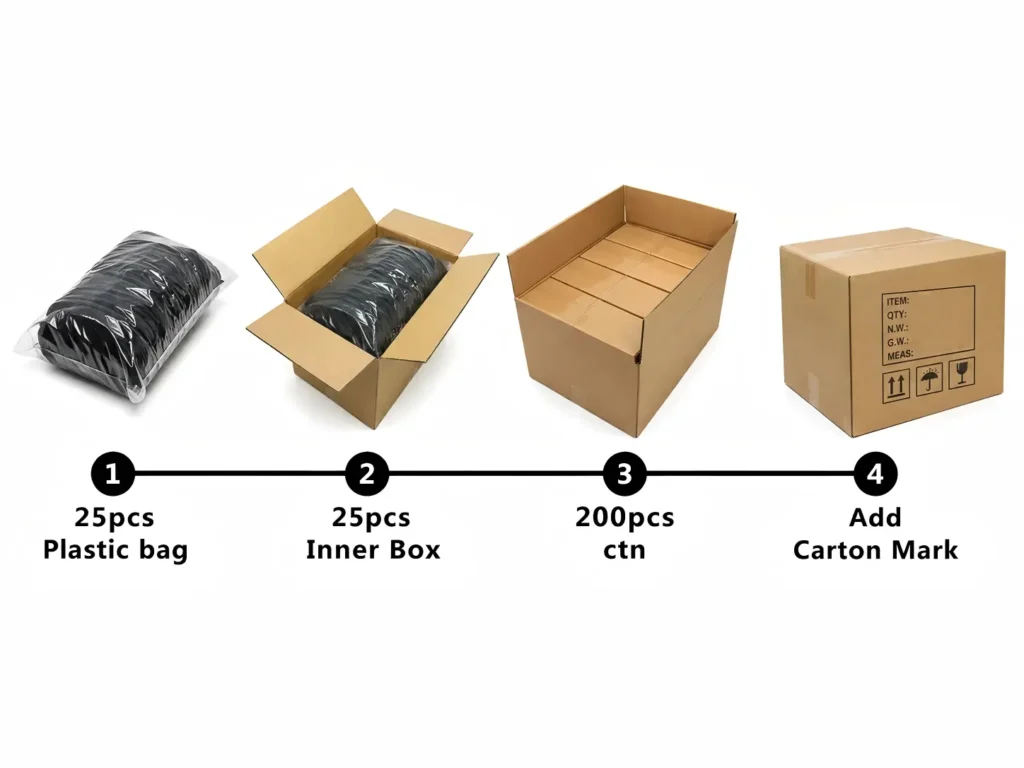
- Packaging: individual bags, hang tags, barcodes, retail boxes, or bulk carton packing.
- Destination and target date: delivery country, target arrival date, and preferred shipping method if known.
When exact details are undecided, label them as open options. A good RFQ distinguishes fixed requirements from flexible preferences.
3. Choose decoration for the material and design
Logo decoration is both a design and production decision. An embroidery design with fine lettering may behave differently from a large, solid-color patch. Highly detailed gradients or photographic artwork may call for a different technique than simple text or a bold symbol.
Ask the supplier what is technically feasible on your chosen fabric and panel shape, and request a sample or realistic demonstration of the decoration. Consider durability, texture, size limitations, stitching coverage, color consistency, and cost together rather than selecting on appearance alone.
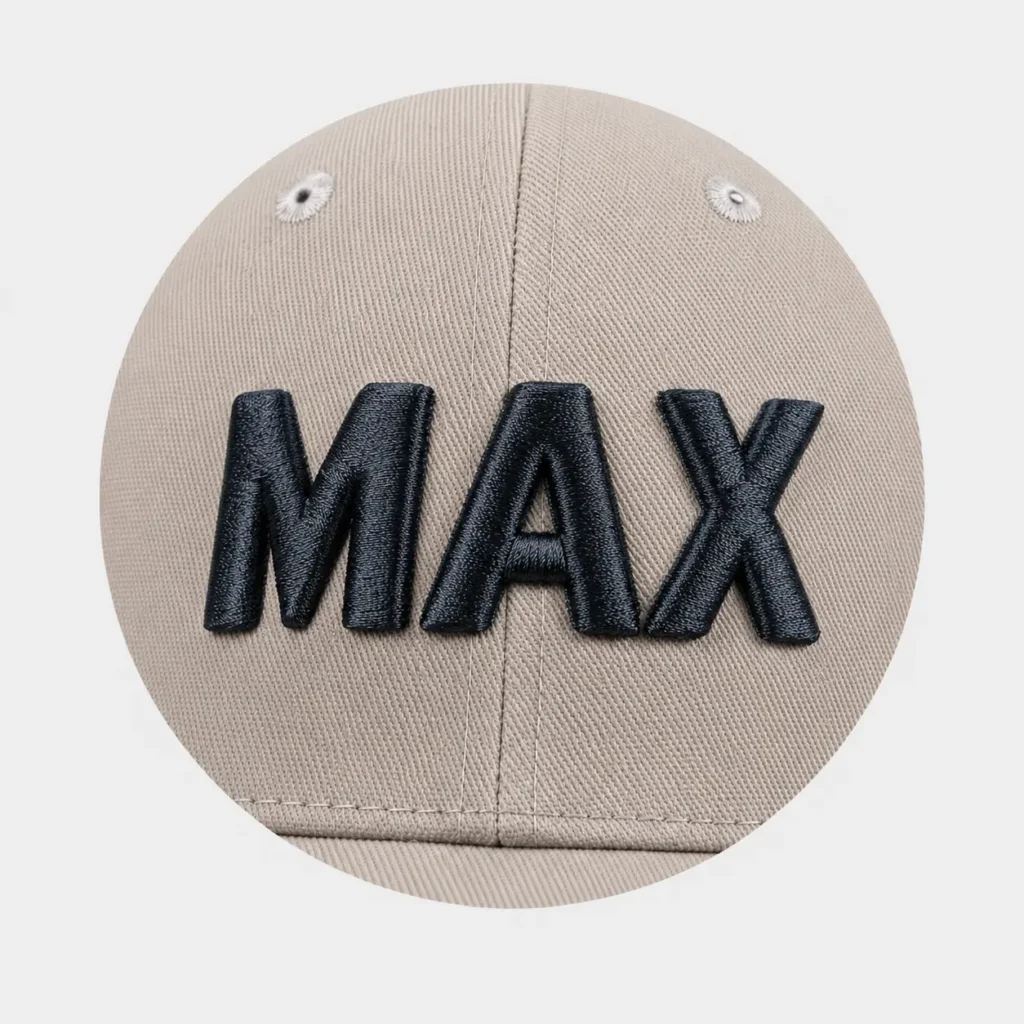
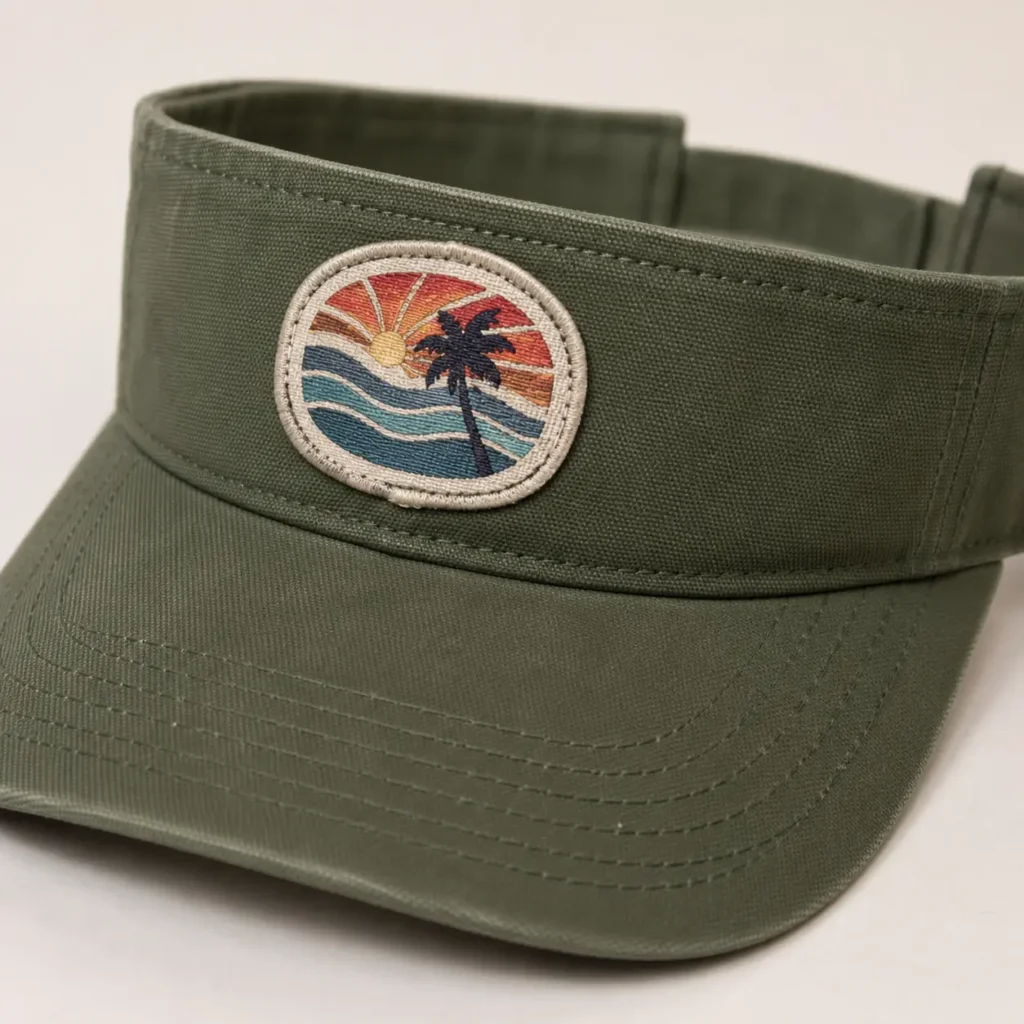
| Logo method | Consider when | Check on the sample |
|---|---|---|
| Flat embroidery | Stitched lettering or line artwork | Small-text legibility, thread and color consistency |
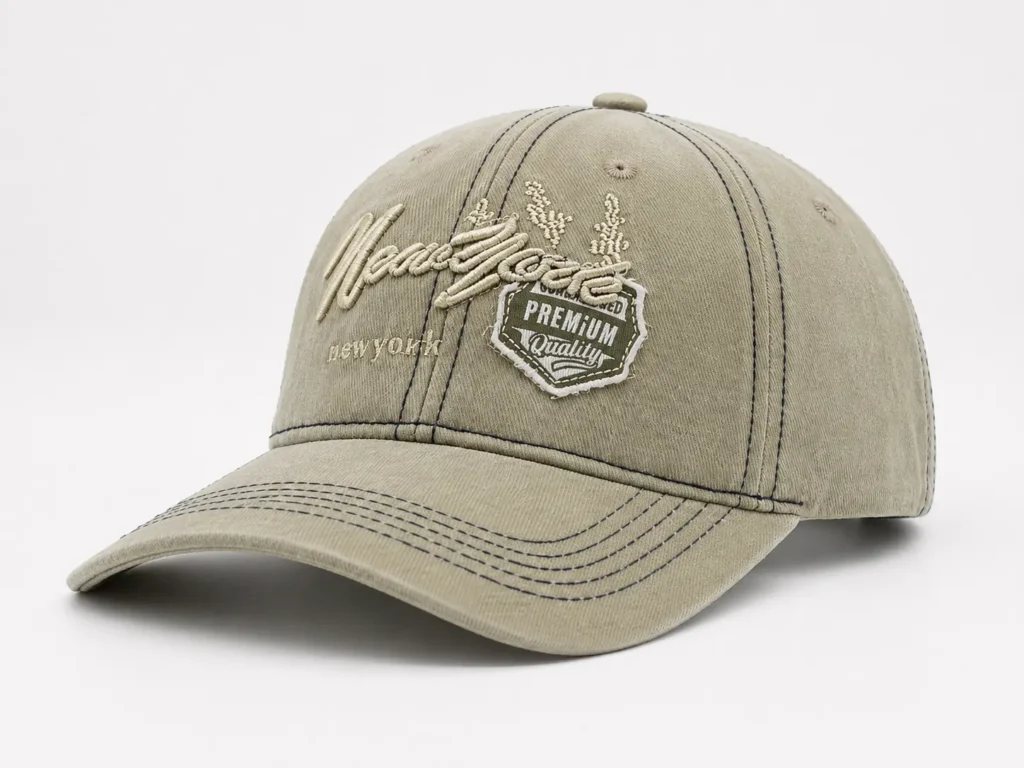
| Raised / 3D embroidery | Bold marks with dimensional effect | Edge quality, raised coverage, durability |
| Woven patch | Fine detail on an applied label | Patch shape, edge finish, attachment |
| Printing / heat transfer | Designs unsuitable for heavy stitching | Color, hand feel, wash and wear behavior |
4. Clarify the MOQ correctly
MOQ (minimum order quantity) should always be understood in context: is it calculated per style, per design, per fabric, per logo, or per color? A headline MOQ does not necessarily apply to every combination of specifications.
Request a written breakdown for each variant. For example, if you need three colors of one cap design, ask whether the MOQ applies to the combined quantity or to each colorway separately. Also ask about any minimums that apply to custom molds, labels, packaging, or specialized materials.
The objective is not merely to negotiate the smallest order; it is to choose a quantity compatible with your launch plan and the manufacturing process.
5. Use samples to prevent bulk-production mistakes
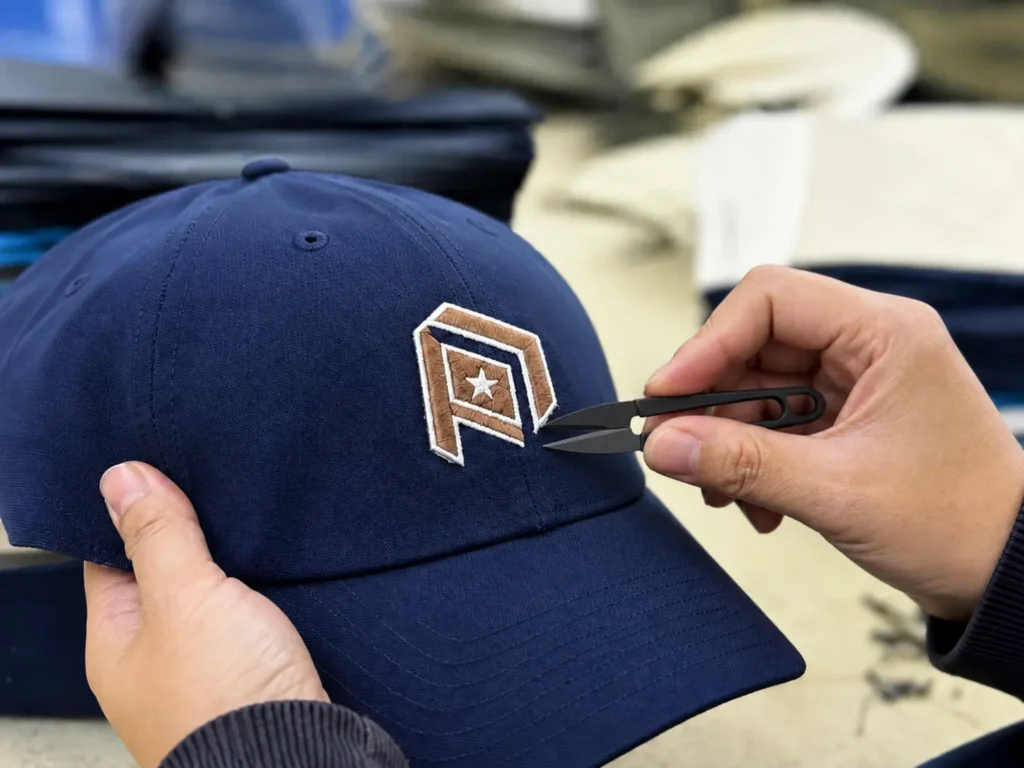
Sampling allows you to verify fit, crown shape, fabric hand feel, logo position, color, and stitching before authorizing the full order. A digital mockup can help confirm placement, but it is not a substitute for checking physical construction where fit, fabric, or finishing is important.
Before sample approval, check:
- Whether the silhouette and size match the intended product.
- Whether the logo is positioned and scaled correctly.
- Whether the decoration edges, stitches, and colors are acceptable.
- Whether the closure, sweatband, seams, and inside labels meet expectations.
- Whether the packaging and labeling are suitable for your distribution channel.
Record revisions in one written specification. Avoid approving a sample while separately requesting changes in scattered messages.
6. Compare quotes on the same basis
For an informed wholesale decision, confirm whether each quote includes or excludes sampling, decoration setup, special labels, packaging, freight, taxes, and other services. State the currency and the trade terms clearly.
Two offers with similar unit prices may differ substantially in materials, construction, quality control, sample charges, and delivery conditions. Compare the total landed cost using the same assumptions rather than evaluating unit price in isolation.
7. Confirm production and delivery milestones
A reliable order process should have clear milestones: artwork approval, sample approval, material preparation, bulk manufacturing, quality check, packing, and shipment. The timetable should say which event starts the production clock and how revisions or holidays affect delivery.
Ask how quality is inspected, which defects are unacceptable, and what happens if the final shipment differs materially from the approved specification. For time-sensitive launches, agree on how schedule risks will be communicated.
8. Send an RFQ that is easy to answer
Use the following checklist when contacting a custom hat manufacturer:
- Project: Your brand or organization name.
- Style: 6-panel baseball cap, trucker hat, bucket hat, or another style.
- Quantity: Total pieces and color breakdown.
- Fabric and colors: Material references and color specifications.
- Logo: Technique, size, placement, and available artwork.
- Labels and packaging: Any retail or private-label requirements.
- Destination: Country or delivery area.
- Target arrival: Preferred date and any hard deadline.
- Questions: MOQ per variant, sample process, production milestones, quote inclusions, and shipping options.
Frequently asked questions about bulk custom hats
What is the minimum order quantity for custom hats?
It depends on the style, logo technique, material and color breakdown. Ask the manufacturer for the minimum per design and each colorway rather than relying on a general headline number.
Can I order a sample before mass production?
Ask about the digital mockup and physical sample options. For first-time orders or complex decoration, a physical sample can help verify fit, stitching, logo placement and finish.
How long does production take?
Lead time varies with material availability, artwork approval, quantity, sampling and factory capacity. Request a written production schedule and clarify whether shipping time is included.
Which decoration is better: embroidery or patches?
Neither is always best. Embroidery suits many stitched logos; woven and other patches can be useful when an applied label or detailed design better meets the brief. Decide from an approved sample.
What information should I send to get a reliable quote?
Include hat style, quantity by color, logo artwork, desired fabric, decoration method, packaging, shipping destination and target delivery date.
For more details, see the custom hats FAQ or browse custom hat manufacturing services.
Buying hats for summer or resort collections? Compare custom straw hats by material, brim shape and band placement. For a practical explanation of printed bands, woven labels and patch attachment, see how to put a logo on straw hats before requesting a bulk quote.
Take the next step
A detailed brief is the simplest way to turn an idea into a realistic manufacturing conversation. Explore Max Hats custom hat services and hat product categories, then request a custom hat quote with your artwork, target quantity, and delivery requirements.